General Chair
CVPR 2025
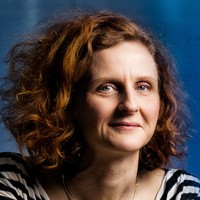
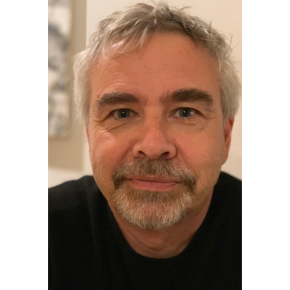
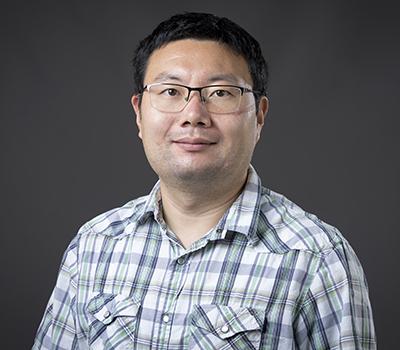

Hao Su is an Associate Professor of Computer Science at the University of California, San Diego. He is the Director of the Embodied AI Lab at UCSD, a founding member of the Data Science Institute, and a member of the Center for Visual Computing and the Contextural Robotics Institute. He works on algorithms to model, undertand, and interact with the physical world. His interests span computer vision, machine learning, computer graphics, and robotics -- all areas in which he has published and lectured extensively.
Hao Su obtained his Ph.D. in Computer Science from Stanford. Prior to that, he obtained a Ph.D. in Mathematics from Beihang University, China. At Stanford and UCSD he developed widely used datasets and softwares such as ImageNet, ShapeNet, PointNet, PartNet, SAPIEN, and more recently, ManiSkill. He also developed new courses to promote machine learning methods for 3D geometry and embodied AI. He served as the Area Chair or Associate Editor for top conferences and journals in computer vision (ICCV/ECCV/CVPR), computer graphics (SIGGRAPH/ToG), robotics (IROS/ICRA), and machine learning (NeurIPS/ICLR). He received the SIGGRAPH Best Ph.D. Thesis Award Honorable Mention and the NSF CAREER Award.
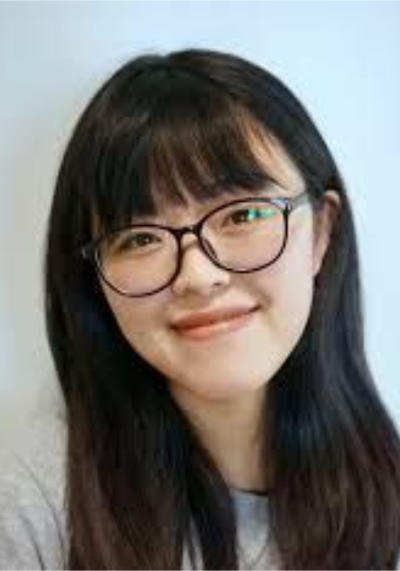
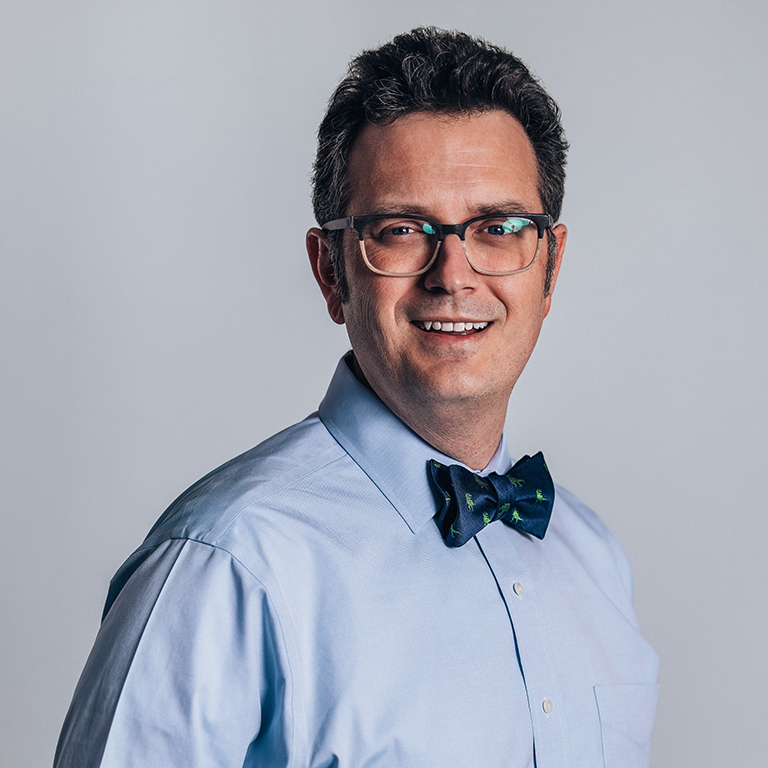
Brian Clipp, Ph.D. is an Assistant Director on Kitware’s Computer Vision Team located in Carrboro, North Carolina. He leads research and development projects across a broad range of computer vision areas. These areas include user-in-the-loop artificial intelligence, satellite image segmentation, low-shot image classification, zero-shot object detection, real-time 3D reconstruction from video, object detection and classification in infrared imagery, and depth estimation from passive, long-wave infrared sensors. He has either led or been a significant contributor to projects for the Defense Advanced Research Projects Agency (DARPA), Air Force Research Laboratory (AFRL), Office of Naval Research (ONR), Intelligence Advanced Research Projects Activity (IARPA), Night Vision and Electronic Sensors Directorate (NVESD), and National Geospatial-Intelligence Agency (NGA).
Over the course of his career, Brian has published eighteen articles in peer-reviewed proceedings and journals for international computer vision and robotics conferences. He has served as an area chair or reviewer for numerous top-tier computer vision conferences. Since joining Kitware in 2017, he has led proposals resulting in more than $4.6M in funding.
Prior to joining Kitware, Brian spent four years at URC Ventures, a startup company that focuses on commercial applications of 3D reconstruction from imagery. There, he led a team of scientists and software developers to create a system for measuring stockpiles of material from ground-based (iPhone collected) and aerial (unmanned aerial vehicle and manned aircraft) imagery. The system has measured hundreds of millions of dollars of inventory for more than one hundred of the top aggregates, landscape materials, and pulp and paper processors in the world. Brian holds three U.S. patents for his work on stockpile measurement.
Before his time at URC Ventures, Brian worked at Applied Research Associates where he was involved in the DARPA ULTRA-Vis program. This program focused on making a soldier-worn, outdoor augmented reality system to improve the situational awareness of joint terminal attack controllers (JTACs). As part of the program, Brian co-developed algorithms to track the system wearer’s head motion from imagery, fusing computer vision with inertial sensor data.
In anticipation of his graduate studies, Brian spent a year as a civilian employee of the Naval Surface Warfare Center in Dahlgren, Virginia. Through his work as a systems engineer and a programmer, he made contributions to aircraft carrier design and to the Tomahawk Cruise Missile program.
Brian’s doctoral thesis was on real-time 3D reconstruction from imagery. In 2010, he received his Ph.D. in computer science from the University of North Carolina (UNC) at Chapel Hill. He also received his master’s degree in computer science from UNC in 2008. Brian received his bachelor’s degree in computer engineering with a minor in mathematics from Clemson University in 2004. He graduated magna cum laude. As an undergraduate at Clemson, he completed honors research related to ad hoc wireless radio network transmission scheduling algorithms.


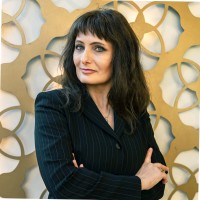
Experienced researcher with over 12 years at US Naval Research Laboratory, Ph.D. in Earth Systems and Geoinformation Sciences. Expertise in applying statistical analytics and machine learning with domain-centric approach to real-world, complex data. Proficient in machine learning, data science, computer vision, GeoAI and remote sensing, with extensive field experience collecting diverse remote sensing data. Skilled in high-dimensional data cleaning, preprocessing, and analysis. Recipient of multiple awards for research, including the Alan Berman Research Publication Award, the NRL Karles Fellowship, and American Society of Photogrammetry and Remote Sensing Ford Bartlett Award. Actively involved in the research community, serving as chair/co-chair at international conferences such as CVPR Tutorials and IGARSS. Proven leadership as a PI/co-PI on numerous projects and as a DARPA liaison overseeing and evaluating the SAIL-ON program.
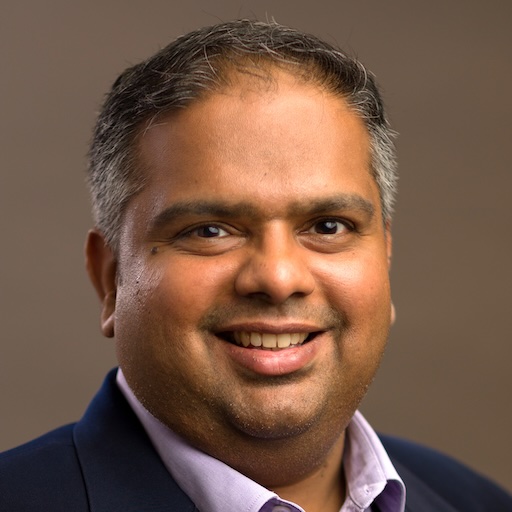
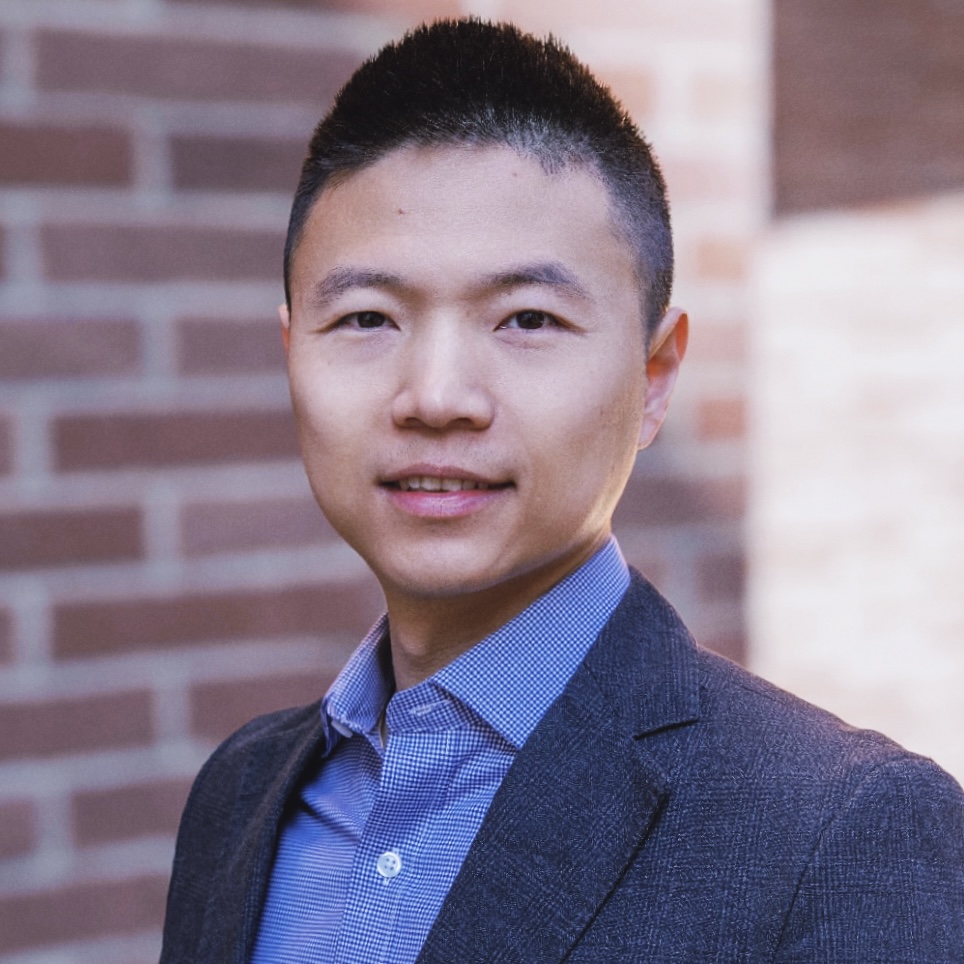
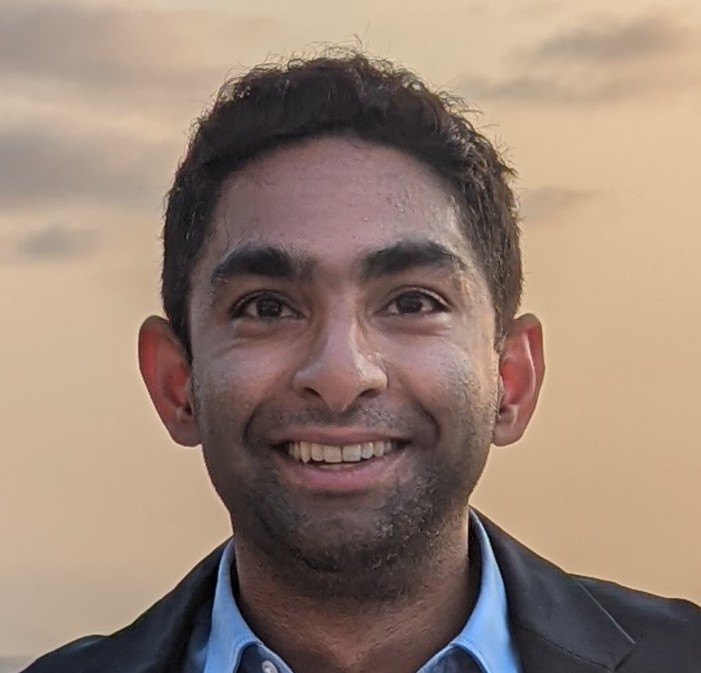
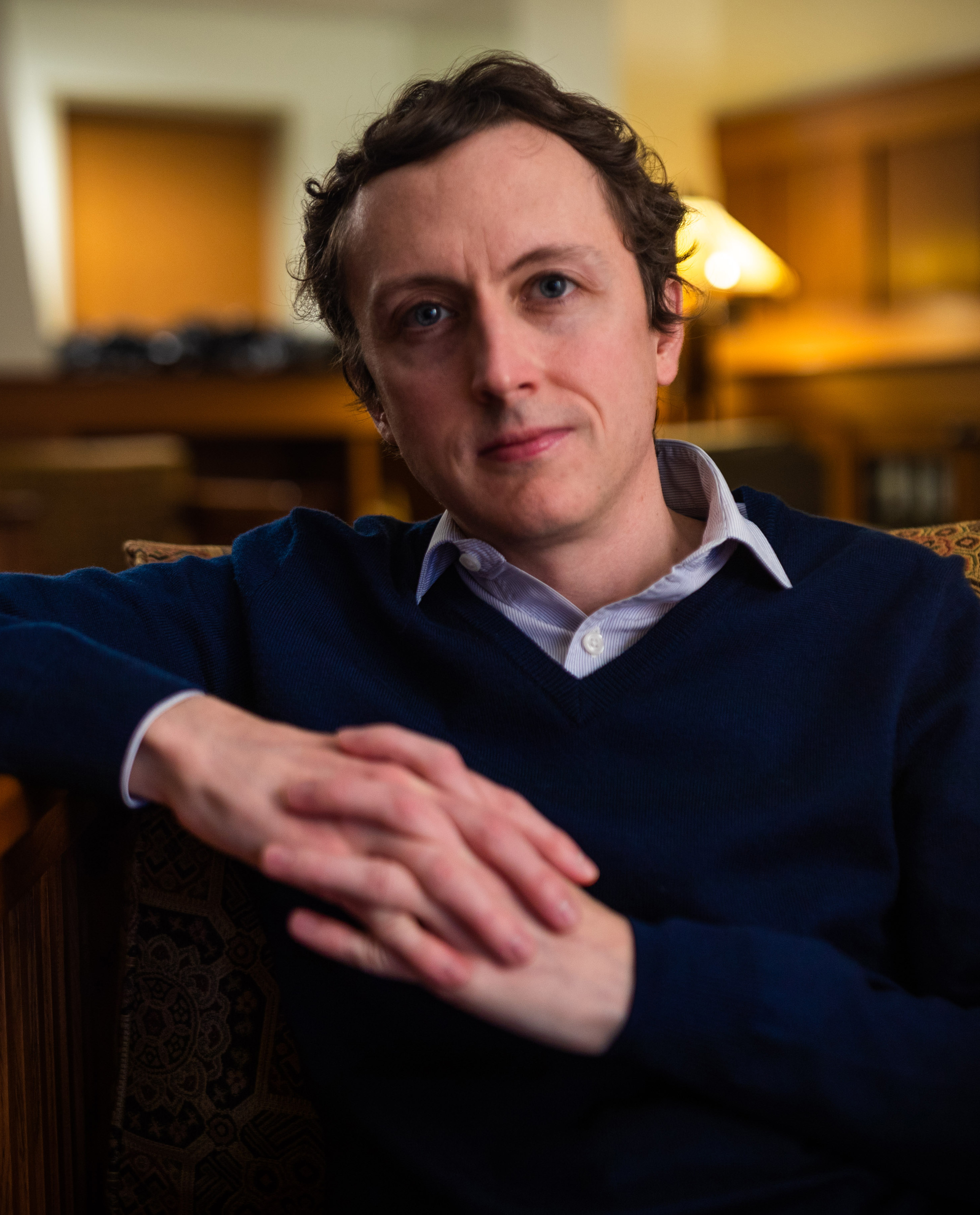

Dr. Deblina Bhattacharjee (FHEA) is an Assistant Professor in Computer Science at the University of Bath, where her research blends Computer Vision with Cultural Grounding, Ethics, andResponsible AI. She has developed novel AI solutions for preservation, interpretation, and reconfiguration of cultural relics, documents, historical evidences across diverse media. Her technical focus spans generative models, 3D reconstruction, multimodal large language models, depth estimation, visual saliency, and multitask learning. She holds a PhD from EPFL (Swiss Federal Institute of Technology) and has held research roles at Samsung and EPFL as a Postdoctoral Scientist. Her work has been published at top venues including CVPR, ICCV, ECCV, AAAI, TMLR, and WACV with research exploring how AI can ethically and responsibly integrate into society. Beyond research, Deblina is a committed advocate for inclusion in STEM. She organises the Women in Computer Vision Workshop at CVPR and co-chairs publicity for CVPR 2025 and 2026. She chairs her department's Self-Assessment Team (DSAT), sits on the Equality, Diversity & Inclusion Committee, and has supervised PhD students across the UK, US, Switzerland, and China. Prizes she has won include the Perplexity AI Business Fellowship, Fellow of the Higher Education Academy, Google Inside Look Award, and Impact and Knowledge Exchange Fellowship.



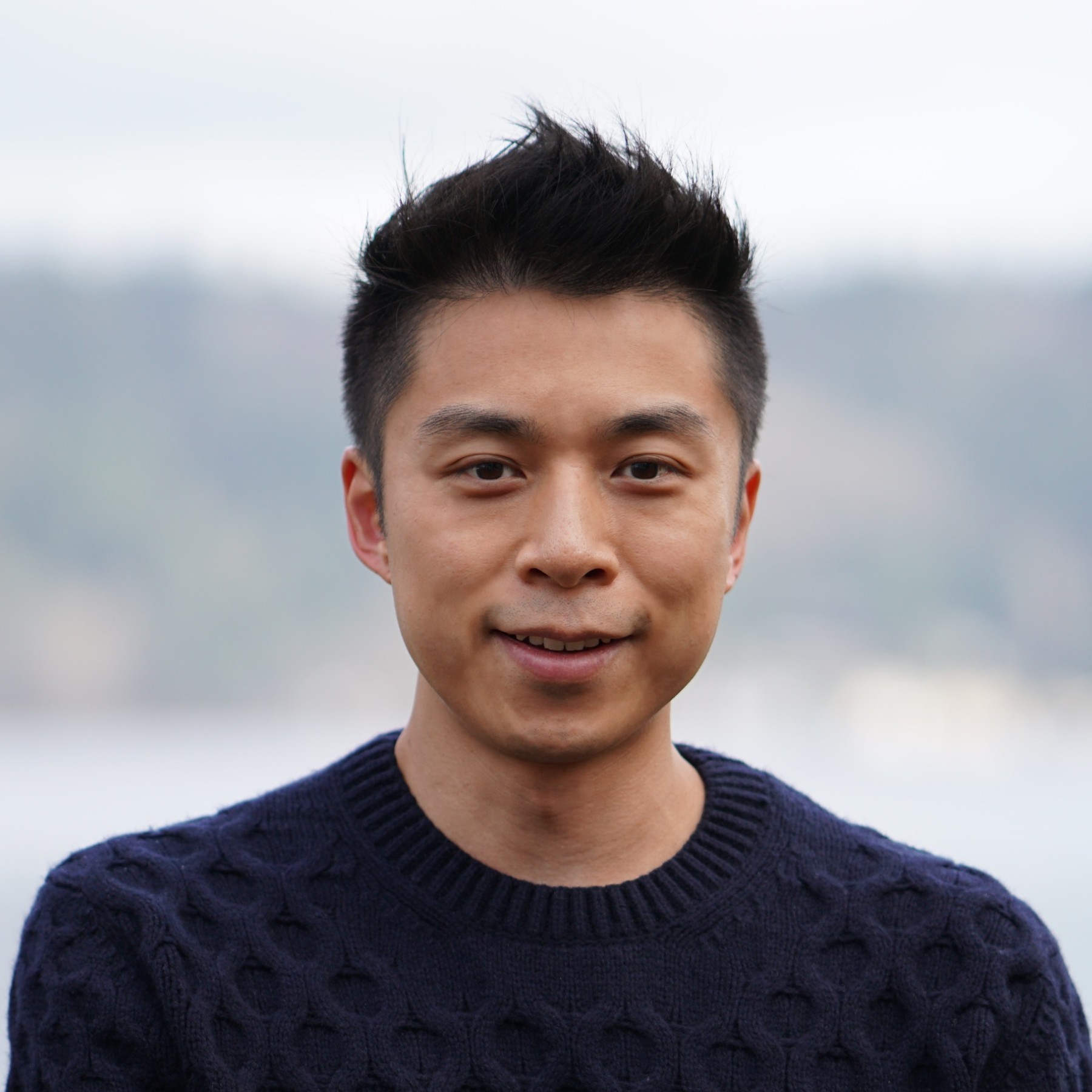
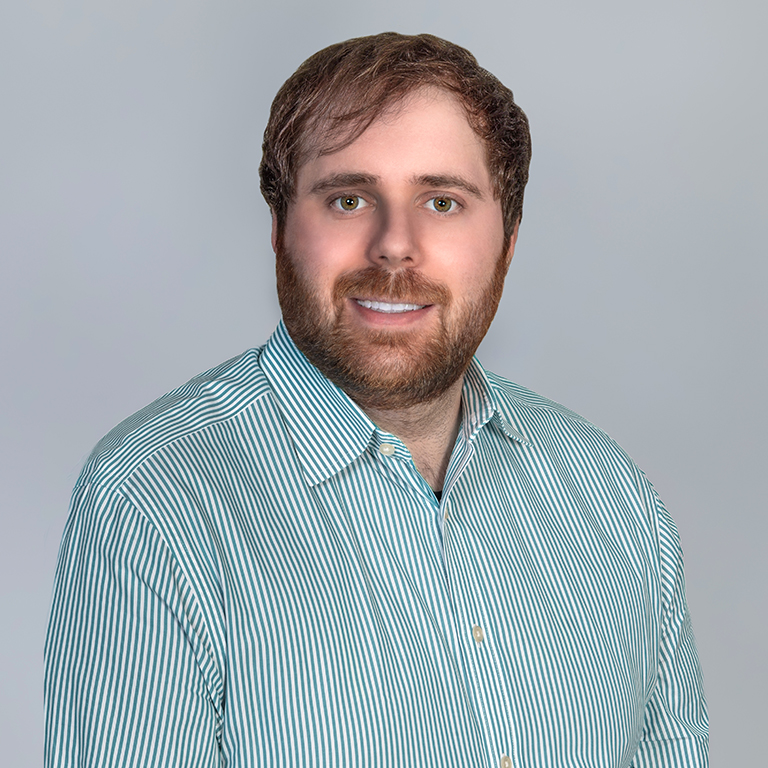
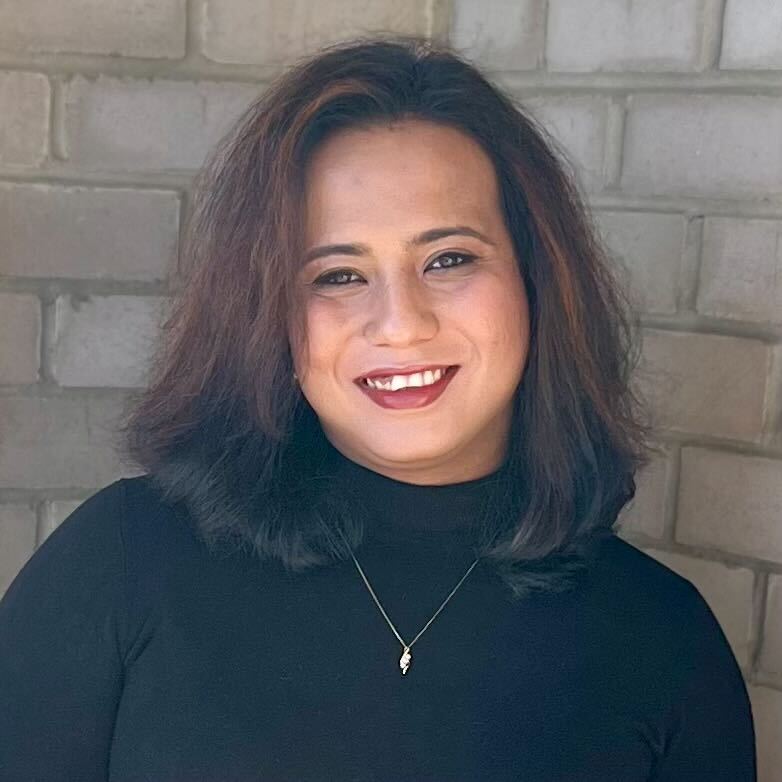
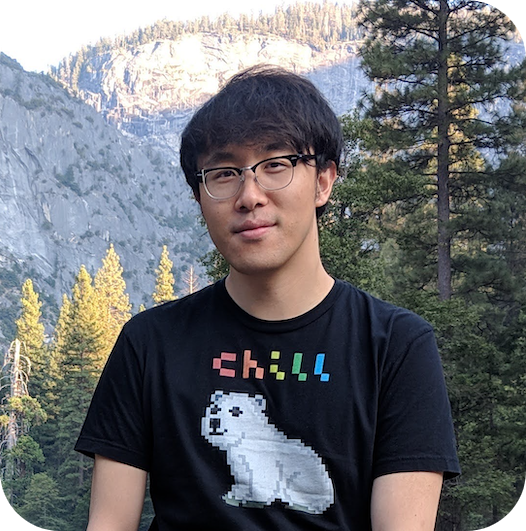
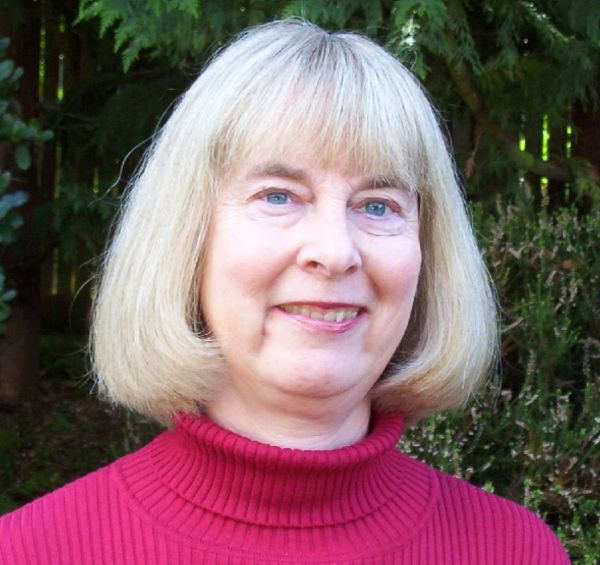
Linda Shapiro, Professor of Computer Science and Engineering, Professor of Electrical and Computer Engineering, and Adjunct Professor of Biomedical and Informatics and Medical Education, earned a bachelor's degree in mathematics from the University of Illinois in 1970 and master's and Ph.D degrees in computer science from the University of Iowa in 1972 and 1974, respectively. She was a faculty member in Computer Science at Kansas State University from 1974 to 1978 and at Virginia Polytechnic Institute and State University from 1979 to 1984. She then spent two years as Director of Intelligent Systems at Machine Vision International in Ann Arbor, Michigan. She joined the University of Washington Electrical Engineering (now ECE) Department Department in 1986 and the Computer Science and Engineering Department in 1990. Professor Shapiro's research is in computer vision with related interests in image and multimedia database systems, artificial intelligence (search, reasoning, knowledge representation, learning), and applications in medicine and robotics. She has worked heavily in knowledge-based 3D object recognition and has contributed to both the theory of object matching and to the development of experimental machine vision systems. Her current work includes robot vision, cancer biopsy analysis, brain image analysis, and semantic segmentation. Professor Shapiro was the editor-in-chief of Computer Vision, Graphics, and Image Processing for 10 years. She was the 1993-95 chair of the IEEE Computer Society Technical Committee on Pattern Analysis and Machine Intelligence, conference chair of the 1986 IEEE Conference on Computer Vision and Pattern Recognition, co-program chairman of the 1994 conference, and co-chair of the 2008 conference. She was also the co-chair of the Biomedical and Multimedia Applications Track of the International Conference on Pattern Recognition in 2002. She has co-authored a textbook on data structures, a two-volume graduate text on computer and robot vision, and an undergraduate computer vision text. She is a Fellow of the IEEE and of the IAPR.
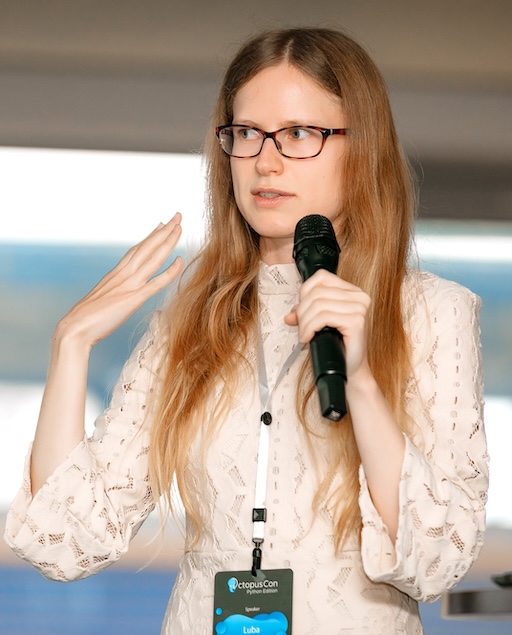
Luba Elliott is a curator and researcher specialising in AI art. She works to educate and engage the broader public about the developments in AI art through talks and exhibitions at venues across the art, business and technology spectrum including The Serpentine Galleries, V&A Museum, Feral File, ZKM Karlsruhe, The Leverhulme Centre for the Future of Intelligence, NeurIPS and ICCV. Her projects include the ART-AI Festival and the galleries aiartonline.com and computervisionart.com. She is an Honorary Senior Research Fellow at the UCL Centre for Artificial Intelligence. Prior to that, she worked in start-ups, including the art collector database Larry's List. She has a degree in Modern Languages from the University of Cambridge.

Professor of Computer Science @ Washington University in St. Louis

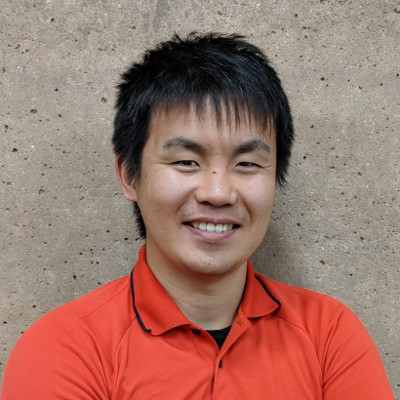
Dr. Yoshitomo Matsubara is a Research Scientist at Yahoo! and an ML OSS developer. He completed the Ph.D. program in Computer Science at University of California, Irvine (UCI) and worked on deep learning for resource-constrained edge computing systems with Profs. Marco Levorato, Stephan Mandt, and Sameer Singh. Before UCI, he obtained his Master and Bachelor degrees at University of Hyogo and National Institute of Technology, Akashi College, Japan, respectively.
His main research interests are in machine learning, natural language processing, computer vision, information retrieval, and symbolic regression. For deep learning, his main interests are in knowledge distillation and supervised compression. He is also a developer of ML OSS: torchdistill (PyTorch Ecosystem) and sc2bench.